

 See My Latest Article on HelloNation
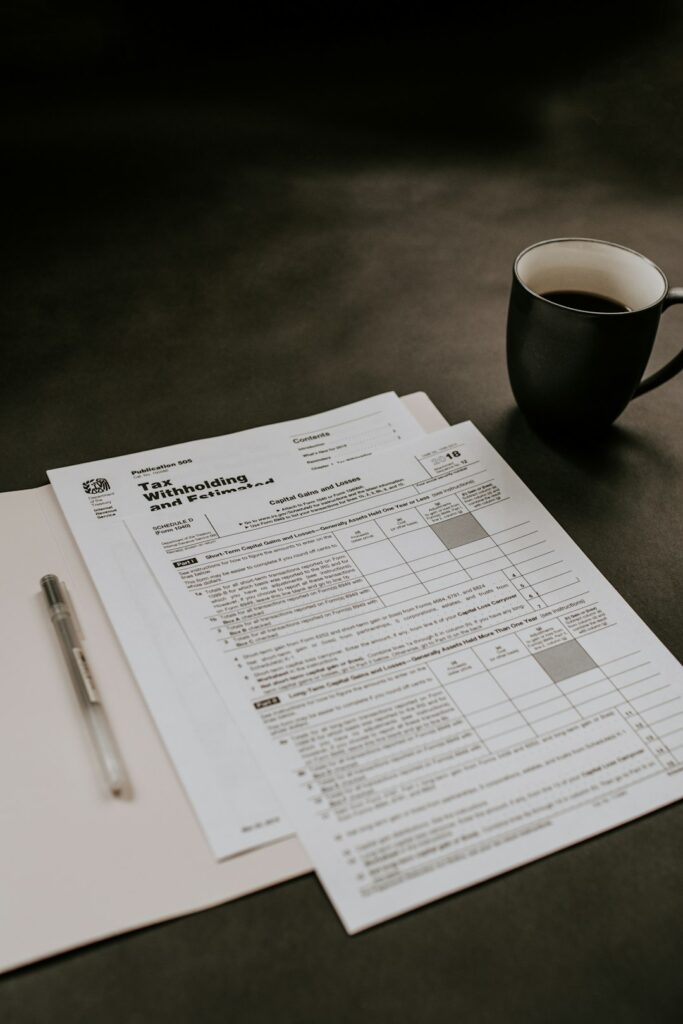
What does it mean to amend a tax return?
For residents of Endicott, NY, amending a tax return means submitting a corrected version after the original return has already been filed. An amendment may be needed when income, deductions, credits, filing status, dependents, or tax liability was reported incorrectly.
An amended return is different from correcting a return that has not yet been submitted. Once a return has been accepted or filed, the correction generally must be made through the appropriate amended-return form.
The federal form is Form 1040-X, Amended U.S. Individual Income Tax Return. New York State residents who need to correct a state return generally use Form IT-201-X if the original return was Form IT-201. Nonresidents and part-year residents may need Form IT-203-X instead. ([irs.gov](https://www.irs.gov/filing/file-an-amended-return?utm_source=openai))
Which mistakes usually require an amended return?
An amendment is commonly appropriate when the correction changes a tax calculation or information reported to the tax agency. Examples include:
- Forgetting a W-2 or 1099
- Reporting the wrong amount of income
- Omitting a qualifying dependent
- Claiming the wrong filing status
- Correcting a deduction or tax credit
- Fixing a Social Security-related tax entry
- Correcting a state adjustment or credit
- Reporting a change made to the federal return
The IRS generally says an amended return is needed when there is a change to filing status, income, deductions, credits, dependents, or tax liability. ([irs.gov](https://www.irs.gov/filing/file-an-amended-return?utm_source=openai))
Not every issue requires an amendment. For example, if the IRS contacts a taxpayer to request a missing form or informs the taxpayer that it corrected a mathematical or clerical error, filing a separate amended return may create confusion. Follow the instructions in the agency’s notice first.
A rejected electronic return also does not usually require Form 1040-X. A rejected return has not been accepted as filed, so the original filing can generally be corrected and resubmitted.
Should the federal or New York State return be amended first?
If the federal change affects New York income, deductions, credits, or tax, the federal and state returns may both need to be corrected.
A practical order is:
1. Recalculate the federal return and determine whether Form 1040-X is required.
2. Determine how that federal change affects the New York State return.
3. Prepare the appropriate New York amended return.
4. Keep copies of both filings and supporting records.
New York State requires taxpayers to report certain federal changes within 90 days. This includes filing an amended state return after filing an amended federal return and reporting final changes made by the IRS. ([tax.ny.gov](https://www.tax.ny.gov/forms/html-instructions/2022/it/it201i-2022.htm?utm_source=openai))
A federal amendment does not automatically amend the state return. The state return must be handled separately, even when the underlying mistake is the same.
How is Form 1040-X completed?
Form 1040-X compares the original figures with the corrected figures. The form generally asks for:
- The amounts reported on the original return, or amounts later adjusted by the IRS
- The corrected amounts
- The difference between the original and corrected figures
- The resulting tax, refund, or balance due
- An explanation of what changed
A corrected Form 1040, 1040-SR, or 1040-NR and any changed schedules or forms must also be included as required. Supporting documents may include corrected wage statements, proof of a deduction, education-credit records, or documentation for a dependent. The explanation should be specific but concise—for example, “Added omitted Form 1099-INT and recalculated taxable income.”
The IRS permits electronic filing of Form 1040-X for eligible Forms 1040, 1040-SR, and 1040-NR through tax software. Paper filing remains available, and taxpayers should use the instructions for the specific tax year being amended. ([irs.gov](https://www.irs.gov/forms-pubs/about-form-1040x?utm_source=openai))
A separate Form 1040-X is generally required for each tax year being changed.
How is a New York State return amended?

A full-year New York State resident generally uses Form IT-201-X to correct an original Form IT-201. The amended state return should be completed as a corrected return for the tax year involved, not merely as a note describing the mistake.
New York State instructs taxpayers to include all forms and schedules relevant to the amended figures, even if some were submitted with the original return. This can include credit schedules, wage and tax statements, and other supporting attachments. The original Form IT-201 should not be sent as a substitute for the amended form. ([tax.ny.gov](https://www.tax.ny.gov/pit/file/amended_return.htm?utm_source=openai))
New York State accepts electronically filed amended returns in eligible situations. Electronic filing can provide filing confirmation and may be processed more quickly than paper submissions, although processing times can vary. ([tax.ny.gov](https://www.tax.ny.gov/pit/file/amended_return.htm?utm_source=openai))
What is the deadline for claiming an additional refund?
For federal purposes, a refund claim is generally due within three years after the original return was filed or two years after the tax was paid, whichever period ends later. Special rules can apply to disaster relief, foreign tax credits, net operating losses, bad debts, and other circumstances. ([irs.gov](https://www.irs.gov/filing/file-an-amended-return?utm_source=openai))
New York State generally uses a similar three-year or two-year rule for claiming a refund or credit, depending on the filing and payment dates. The exact deadline can depend on the tax year, filing date, payment history, and reason for the amendment. ([tax.ny.gov](https://www.tax.ny.gov/forms/html-instructions/2022/it/it201i-2022.htm?utm_source=openai))
A useful habit is to write down the original filing date, the date any balance was paid, and the date the mistake was discovered. Those details help establish whether the amendment is timely.
What happens if the amendment shows more tax is owed?
If the corrected return increases tax, the balance should generally be paid as soon as practical. Interest and possibly penalties may continue to apply until the balance is paid.
For a federal amendment, the IRS advises filing the amended return and paying additional tax by the applicable due date when possible. The amended return itself should not be used to calculate penalties or interest unless the instructions specifically require it; the tax agency may calculate those amounts separately. ([irs.gov](https://www.irs.gov/filing/file-an-amended-return?utm_source=openai))
An amendment that increases tax can also affect estimated tax payments, state liability, eligibility for credits, or a prior refund. Review the full corrected return rather than focusing only on the line that contained the original mistake.
How long does an amended return take?
Amended returns usually take longer to process than original returns because the agency must compare the original filing with the correction and review the supporting documents.
Keep a complete copy of:
- The original return
- The amended federal and state returns
- Forms, schedules, and statements submitted
- Proof of electronic filing or mailing
- Payment confirmations
- Notices received afterward
Residents managing household records through seasonal moves, home repairs, education expenses, or changes in employment should avoid discarding tax documents too early. A corrected return may require records from the original filing year, especially when the mistake involves income, property-related deductions, or dependent information.
The safest approach is to identify the specific error, recalculate the entire affected return, amend every tax jurisdiction involved, and retain documentation showing how the corrected figures were determined.