

 See My Latest Article on HelloNation
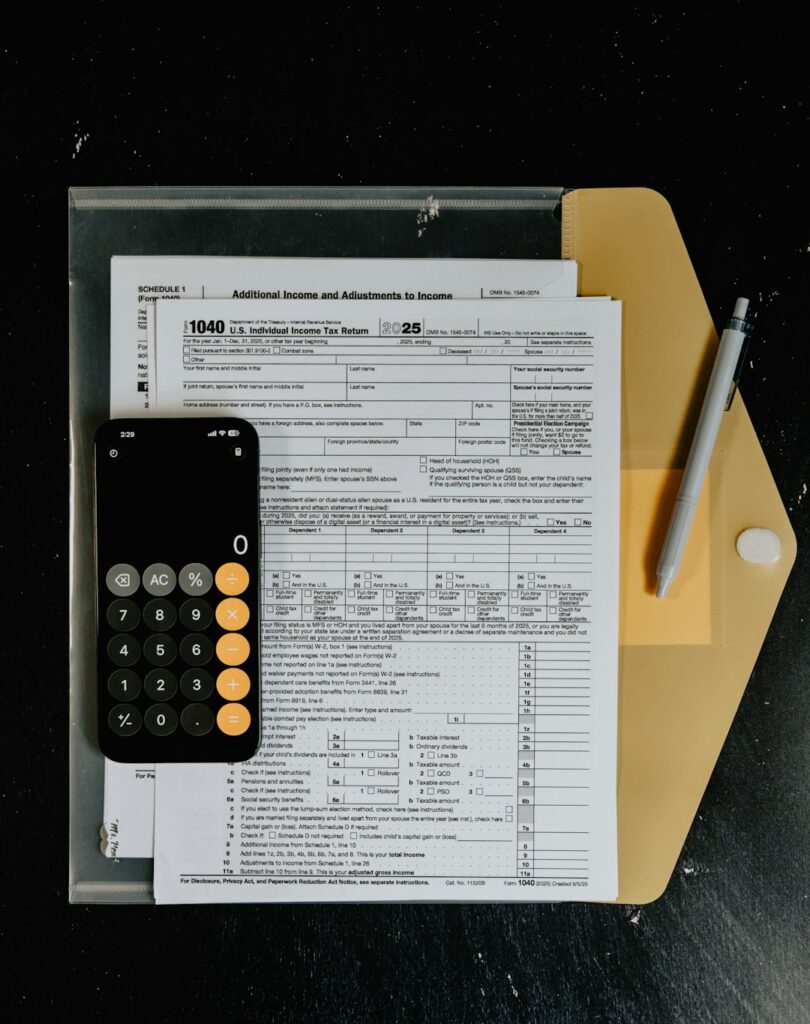
Why Does Document Organization Matter for Tax Season in Endicott, NY?
Properly organizing tax documents helps residents of Endicott, NY file accurate returns, reduces stress, and can even help in the event of an audit. Gathering forms sooner rather than later is key, especially as mail delays or snowstorms can slow down delivery during a typical upstate New York winter.
Which Documents Should Local Households Gather First?
Tax season relies on a core set of documents that most Endicott households receive each year:
- W-2s from employers for wage or salary income
- 1099 forms (such as 1099-INT for interest, 1099-DIV for dividends, 1099-MISC or 1099-NEC for contract work)
- Form 1098 for mortgage interest, if relevant
- Year-end statements for retirement plans or investments
Residents should also save:
- Property tax receipts (many homeowners in the area pay these through their mortgage, but others pay directly to the local tax authority)
- Documentation for Social Security or pension payments, if applicable
How Should Residents Store and Sort Tax Documents?
Gathering documents in one place is useful, but organizing them further helps prevent missing details. A common approach in the city is to use a dedicated folder for all incoming tax documents, then separate paperwork into categories by income, deductions, credits, and personal records. Filing digitally is fine, but many still prefer paper in case of computer problems during winter power outages.
Typical categories:
- Income (W-2s, 1099s)
- Deductions (property tax receipts, charitable donation letters, medical expenses)
- Credits (energy efficiency receipts relevant to cold-climate homes, education expenses)
- Identification (copies of Social Security cards, last year’s return for reference)

Label folders or digital folders carefully. Some local residents find it helpful to keep a checklist of what’s needed, crossing off documents as they arrive.
What If a Document Is Missing or Never Arrives?
If a W-2 or 1099 hasn't arrived by early February, requesting a replacement from the bank or employer is standard. For those unsure whether they should have received a form (such as for a part-time job or closed bank account), reviewing bank statements from the previous year can reveal forgotten income. Mailing delays from winter storms are not uncommon in the region's climate, so patience is often required, but following up after a reasonable wait helps avoid missing the tax deadline.
Are There Local Nuances to Consider for Tax Filing?
Endicott homeowners may need receipts for local property taxes, which can sometimes be obtained from the Broome County online system or mailed statements. Donations to local organizations count for deductions, but keep receipt or acknowledgment letters as proof. Those who commute for work, attend local colleges, or have rental income should keep related expense logs and tuition statements.
For the city’s older population, pensions, Social Security statements, and medical expense documentation are especially important. Save out-of-pocket medical receipts even if unsure whether deductions apply—changes in state rules can affect eligibility.
How Long Should Residents Keep Old Tax Records?
The general recommendation for area households is to store tax returns and supporting documents for at least three years, but many keep them up to seven years in case of audits or amended returns. Store past years’ returns and supporting paperwork in a safe, dry place, as Endicott’s seasonal humidity and potential basement moisture can damage paper files. For digital storage, use secure passwords and back up to avoid accidental loss, especially when tax software is involved.
Can Organizing Documents Help Avoid Common Filing Errors?
A tidy set of paperwork helps reduce errors such as overlooking taxable income, missing deductions suited for the region, or failing to report interest from local credit unions. Double-check all Social Security numbers and update any changes in family status or address, especially if moving within the city during the past year. Having everything ready lets local residents take their time, reducing mistakes that can lead to delayed refunds or notices from tax authorities.
What’s the Best Timing for Sorting Tax Paperwork?
Start organizing as soon as the first document arrives, usually in January. Waiting until early March leaves less room to chase missing forms or clarify new tax rules—especially if inclement weather disrupts daily routines or closes local offices. Periodic sorting throughout January and February is less overwhelming than a last-minute scramble in spring.