

 See My Latest Article on HelloNation
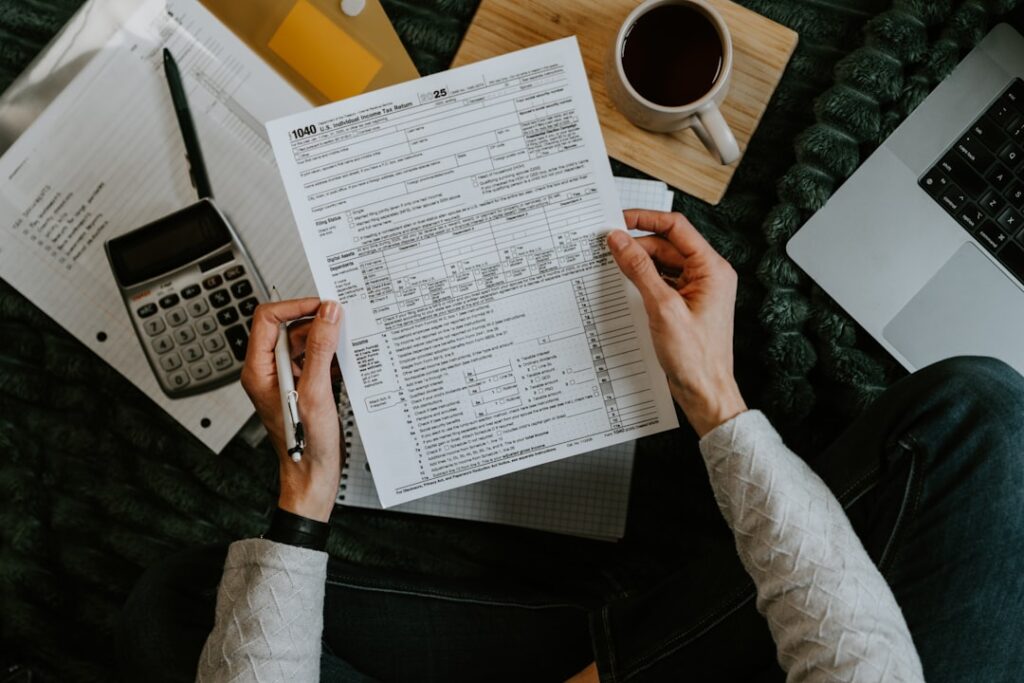
What Does It Mean to Be Self-Employed for Tax Purposes?
If you earn income on your own—whether as a freelancer, contractor, gig worker, or running a small local business—you’re considered self-employed for tax filing. This means federal and state tax rules apply differently than if you earned a regular paycheck.
Self-employed individuals usually receive a 1099-NEC, 1099-K, or keep other records of their work. Full-time, part-time, and seasonal self-employment all count.
Which Tax Forms Do You Need to File?
Self-employed residents usually file:
- IRS Form 1040 (your standard tax return)
- Schedule C to report profit/loss from your business
- Schedule SE to calculate self-employment tax (Social Security and Medicare)
New York State filers include the IT-201 form with additional schedules if you have sales tax or local business reporting.
Some also need forms for estimated taxes paid or special credits. Double-check which forms fit your situation by closely reviewing IRS and NYS guidelines.
How Does Self-Employment Tax Work?
In addition to regular income taxes, anyone self-employed pays self-employment tax. This covers Social Security and Medicare, which would otherwise come out of paychecks.
The self-employment tax rate is 15.3% on your net income (12.4% Social Security + 2.9% Medicare). You only pay this on your profit after expenses, not on your revenue.
Unlike traditional employees, self-employed locals must pay both the employer and employee portions themselves.
How Do You Track Income and Expenses Locally?
Accurate recordkeeping is essential. In Endicott, paper receipts and mileage logs remain common, especially for home-based and gig workers, but digital tracking is growing. Local residents should keep:
- All bank statements and invoices
- Expense receipts for supplies, tools, equipment, and mileage logs
- Proof of payment for estimated taxes, if prepaying
Keeping records year-round helps avoid mistakes and stress when tax time arrives.
What Local Expenses Are Deductible?
Deductions can lower taxable income. Expenses must be ordinary (common and accepted in your trade) and necessary (helpful and appropriate). Common deductions for self-employed residents include:
- Home office expenses (if a space is used regularly and exclusively for work)
- Business mileage within the local area (with detailed logs)
- Tools, equipment, and software subscriptions
- Mobile phone, if primarily used for business
- Business insurance fees
Area-specific costs (like snow removal for a home office, or local permits) may also qualify. It’s important that the expense clearly connects to your self-employment.
What If You Owe Estimated Taxes?

Self-employed individuals typically must prepay taxes quarterly if they expect to owe $1,000 or more at tax time. The IRS and New York State both accept estimated payments.
Payment vouchers and online systems are available. Locals may make use of postal mail, especially if internet access is spotty, but electronic options provide faster confirmation. Missing deadlines can result in penalties, so marking the calendar is wise for those relying on seasonal or irregular income.
How Do State Taxes Differ?
New York State applies the same income tax rates to earnings from self-employment as to regular wages, but residents file income on IT-201 and relevant business schedules.
If operating a business selling goods or services within Endicott, sales tax rules may apply as well. Requirements can vary if operating from a home, shared space, or local market—always check NYS Department of Taxation guidance for the latest updates.
Residents who live and work only within the city are not subject to additional local income taxes, unlike some larger municipalities.
What Common Mistakes Should Locals Avoid?
Frequent errors include:
- Forgetting to set aside money for self-employment tax
- Missing out on eligible deductions—home utilities, local advertising, or legitimate business use of a vehicle
- Not reporting all forms of income, especially from side work or gig economy platforms
- Filing late or not making estimated payments through the year
Good organization and periodic review of tax guidance reduce risk of errors and penalties.
Are There Tax Tips Specific to the Local Community?
In Endicott’s climate, some expenses—such as heating for a home office or specialized vehicle wear—may be more relevant than in other regions. Locals who work seasonally outdoors (like landscapers or snow removal) should carefully track weather-related expenses.
Additionally, working from home is common due to variable commute options, making home office deduction rules especially significant for area residents.
Where Can You Find Additional Resources?
The IRS offers free forms and publications. The New York State Department of Taxation and Finance provides guides and online services. Free local events or public workshops, often held at libraries or civic centers, may offer direct support without sales pitches.
For tricky or unusual tax questions—such as multi-state work, reporting grant or prize income, or deducting rare expenses—consulting official resources or attending community education sessions can provide clarity.