

 See My Latest Article on HelloNation
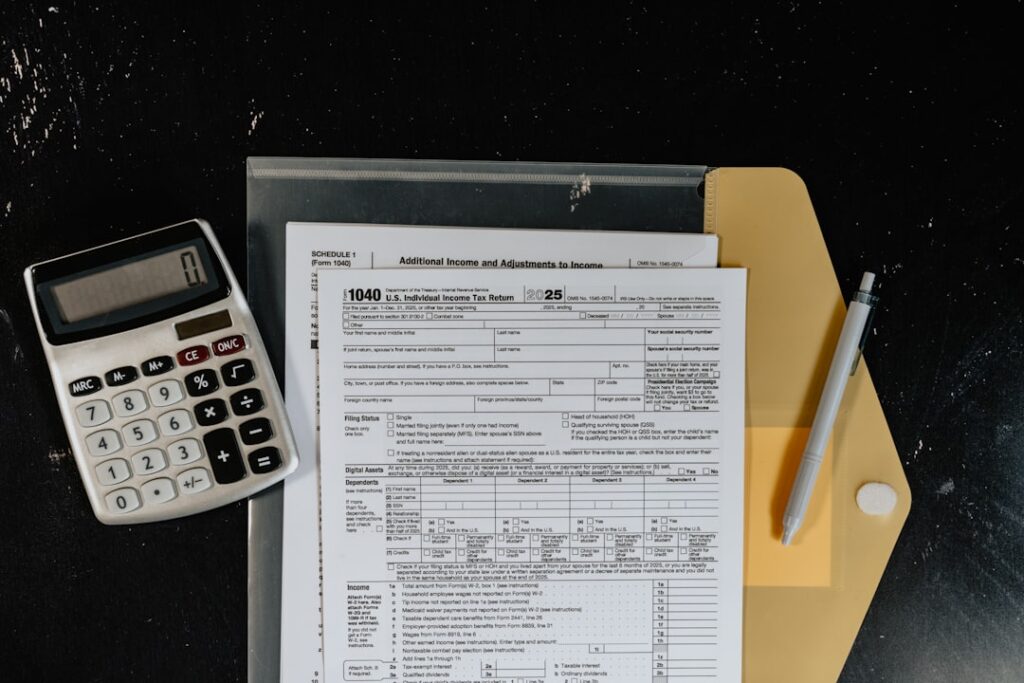
What Are the Most Common Deductions That Residents of Endicott, NY Can Claim?
Most local households may be eligible for a range of deductions that can lower taxable income and increase tax refunds. These deductions are typically based on personal circumstances, work status, housing, local tax codes, and family obligations.
Common federal deductions relevant to the area include:
- State and local taxes paid (SALT deduction), up to federal limits
- Property taxes on local homes
- Mortgage interest for primary residences
- Medical expenses, if they exceed a certain percentage of adjusted gross income
- Educator expenses for school staff
- Contributions to retirement accounts (such as traditional IRAs)
- Charitable contributions to qualifying organizations
Residents who itemize often do so because their combined eligible expenses exceed the standard deduction, making it worthwhile to track actual costs through year-end.
How Can Homeowners in Endicott Maximize Deductions?
Homeowners in the community can benefit from several significant deductions:
First, mortgage interest and property taxes—both paid annually—are the two largest line-items on most local returns. Property taxes, which fund community infrastructure and schools, can be particularly high in some neighborhoods. Be sure to report the amount actually paid during the tax year, as shown on your annual mortgage statement or local tax bill.
Other homeowner deductions may include:
- Points paid to a lender when obtaining a mortgage to buy or improve a home
- Qualified energy-efficient home improvements, like new windows or insulation, if the property qualifies under federal credits
- Casualty and theft losses (but only for events in declared disaster areas)
Some homeowners incorrectly assume that repairs, home insurance, or utility costs are deductible—these typically are not for primary residences.
Are There Any Overlooked Deductions for Local Renters?
Renters may feel they have fewer options, but several deductions and credits can apply, particularly if working from home or facing relocation for employment reasons.
Relevant possibilities include:
- The home office deduction, if meeting strict criteria (space used regularly and exclusively for work)
- Moving expenses, only for active-duty military due to recent federal tax law changes
- Renter’s insurance is not deductible for personal use, but may be partially deductible for those using home space for business
Some former deductions, like moving expenses for job relocation (except military), no longer apply after federal tax law updates. Always verify current eligibility.
How Do Child and Dependent-Related Deductions Work Here?
Taxpayers supporting children or other dependents can often claim substantial credits and deductions, helping many families in the area lower their tax bill or raise a refund.
Key options include:
- The Child Tax Credit, with potential partial refundability
- Credit for Child and Dependent Care Expenses, for qualifying care while working or seeking work
- The Earned Income Tax Credit (EITC), for lower- and moderate-income households
- Education credits, such as the American Opportunity Credit (for college tuition and related expenses)
Documentation requirements can be strict for dependents—keep records of expenses, Social Security numbers, and proof of residency for each qualifying child.
Which Medical and Health-Related Expenses Are Deductible?
Only unreimbursed medical and dental costs that surpass a set percentage of your adjusted gross income are deductible. This threshold is often difficult to reach except for those facing significant out-of-pocket bills.

Potentially deductible costs include:
- Payments for hospital stays, surgeries, prescription medications (not most over-the-counter drugs)
- Medically necessary dental and vision care
- Health insurance premiums (only sometimes; for example, if self-employed)
- Travel expenses for health care, including mileage
Local households should review annual receipts for high medical costs, especially if gross income is lower due to retirement, job changes, or temporary unemployment.
How Can Local Education-Related Expenses Reduce Taxes?
Paying for education is a major expense, but several deductions and credits can offer relief.
Educational tax incentives include:
- The American Opportunity Credit for qualified undergraduate studies, with limits per student per year
- The Lifetime Learning Credit for a wider range of continuing education or job retraining, with lower limits
- Student loan interest deduction, up to allowed thresholds
- Deductions for tuition and fees (if available, subject to annual legislative renewal)
Educational credits and deductions are phased out at higher income levels—review eligibility carefully each year.
What Are Some Common Tax Deduction Myths among Area Residents?
Certain misconceptions can lead to errors or missed opportunities on local returns.
Frequent misunderstandings include:
- Believing every resident can deduct state sales tax—in New York, residents typically choose between deducting income tax or sales tax, not both
- Assuming all child expenses qualify for deductions—most require work-related care or schooling criteria
- Overreporting charitable donations without proper documentation—receipts and proof are always needed, especially for non-cash gifts
- Taking a home office deduction when the workspace is not exclusively or regularly used for business
Carefully check current eligibility rules each filing season, as tax laws can change and affect commonly claimed benefits.