

 See My Latest Article on HelloNation
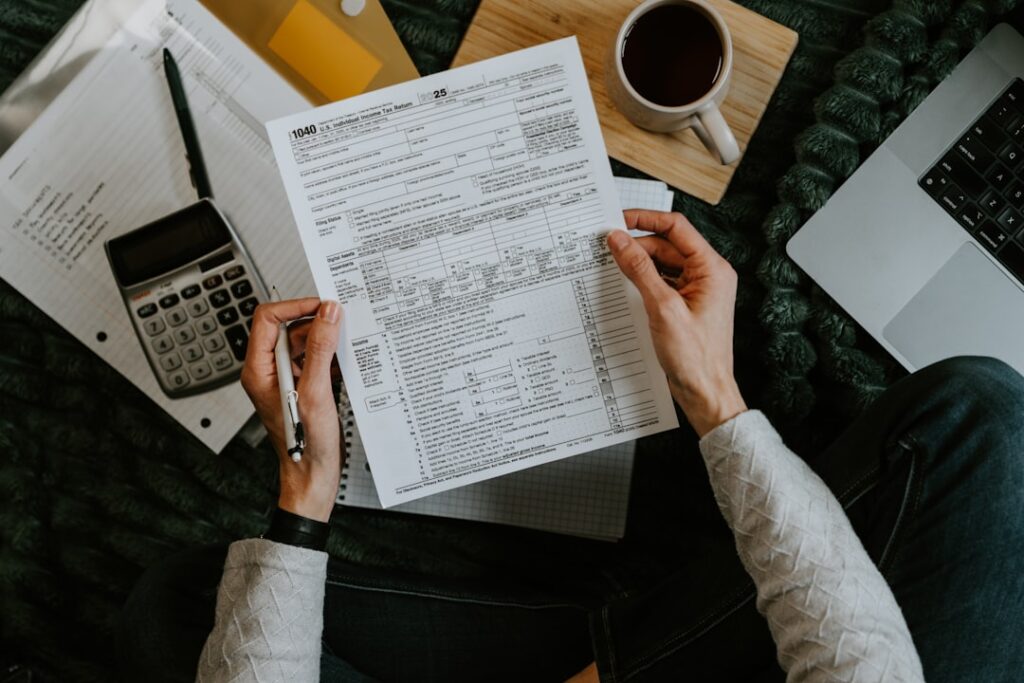
How Much Tax Do Freelancers in Endicott, NY Actually Owe?
Freelancers in Endicott face a different tax landscape than traditional employees. Independent work typically means owing self-employment tax on top of federal and state income taxes, since there’s no employer to handle Social Security and Medicare withholding. This tax can catch many new freelancers in the city by surprise, especially if not planned for throughout the year.
A self-employed individual pays around 15.3% for Social Security and Medicare contributions (the self-employment tax), separate from income taxes. State taxes also apply. Planning for these obligations from the start helps avoid large, unexpected bills each April.
What Expenses Can Local Freelancers Deduct?
Deducting business expenses is one of the most reliable ways freelancers can lower their taxable income. Residents in the community can write off any ordinary and necessary costs directly related to their freelancing work.
Common deductible expenses include:
- A portion of rent or utilities if a dedicated space in the home is used regularly and exclusively for work (the “home office deduction”).
- Internet and phone expenses, prorated for business use.
- Computer equipment, software, and professional subscriptions.
- Professional development, such as classes or certifications.
- Supplies and postage.
- Local travel between client sites within Endicott and nearby work locations — not commuting to a primary office.
Many overlook mileage for client meetings or local workshops, but this can add up. Keep good records, such as a logbook or digital tracker, to substantiate these deductions if the IRS requests proof.
Should Freelancers in the City Make Quarterly Tax Payments?
Yes, most freelancers who expect to owe $1,000 or more at tax time are required to make estimated tax payments throughout the year. This helps avoid penalties and interest for underpayment.
Estimated payments are typically due in April, June, September, and January. It’s common for area freelancers to use a portion of each payment they receive to set aside taxes, rather than wait until the end of the year. Some open a dedicated savings account for this purpose, making the funds easy to track. Using IRS Form 1040-ES helps calculate these estimated amounts.
How Can Organization Help Prevent Tax Surprises?
Staying organized with income and expense records is one of the simplest ways to avoid mistakes or missed deductions. Local freelancers benefit from:
- Keeping receipts and invoices in one place – whether a paper folder or digital app.
- Separating personal and business finances with a dedicated bank account.
- Tracking income as it’s received, not just when it’s invoiced.
Inconsistent income is common in the city, especially in creative and contract fields. Regular bookkeeping, at least monthly, makes tax season less stressful and ensures that nothing is overlooked.
Are Retirement Contributions an Option for Freelancers in Endicott?
Freelancers without company retirement plans still have several options to reduce taxable income and save for the future. Contributions to SEP IRAs, traditional IRAs, or Solo 401(k)s are often deductible, lowering the annual tax bill.
For many, contributing to an IRA is the simplest step, with deadlines usually aligned with the federal tax filing date. This strategy can help area workers reduce what they owe and build financial security, even on fluctuating earnings.
What Local or State Tax Credits Might Apply?
While most deductions and credits are federally controlled, New York does offer certain programs for self-employed residents that can impact Endicott freelancers:

- The state’s Earned Income Tax Credit (EITC) can benefit lower-income independent workers with children.
- Credits related to health insurance, such as deductions for self-employed health coverage, may also apply.
These credits can reduce tax owed, not just taxable income, making them especially valuable. Checking eligibility each year is worthwhile, as credits may change with state budgets or personal circumstances.
Are There Common Mistakes Local Freelancers Should Avoid?
Some frequent pitfalls for area freelancers include:
- Forgetting to pay quarterly taxes, resulting in unexpected fines.
- Not keeping receipts or detailed records, which can make it harder to claim deductions confidently.
- Mixing business and personal funds, confusing deductibility at tax time.
- Overstating deductions or incorrectly claiming personal expenses.
Freelancers earning income from more than one source, such as a side gig in addition to a regular job, should also check how additional self-employment earnings may affect their total tax bill.
How Do Local Seasonal Patterns Affect Freelance Taxes?
In Endicott, freelance income may spike during certain seasons—for example, local events or periods when tourism (such as visitor influxes for local fairs or sports) increases demand for media, creative, or hospitality services. When periods of higher earning are followed by slower seasons, it’s especially important to budget carefully and regularly review tax estimates to avoid falling short when payments are due.
Area freelancers who track how their income ebbs and flows throughout the year are generally better prepared when quarterly payments are due and less likely to face cash flow problems during quieter stretches.
What If Freelancers Can’t Pay All Their Taxes at Once?
Sometimes local freelancers end up owing more than expected. If paying the full amount by the due date isn't possible, it’s important to file anyway and pay as much as possible. This reduces potential penalties. The IRS and New York State both offer payment plans for taxpayers who can’t pay their full tax bill immediately, allowing freelancers to spread payments over time with reduced penalties.
Ignoring tax obligations can lead to mounting interest and legal trouble, so addressing the situation early helps minimize impact on personal finances and future earning ability.