

 See My Latest Article on HelloNation
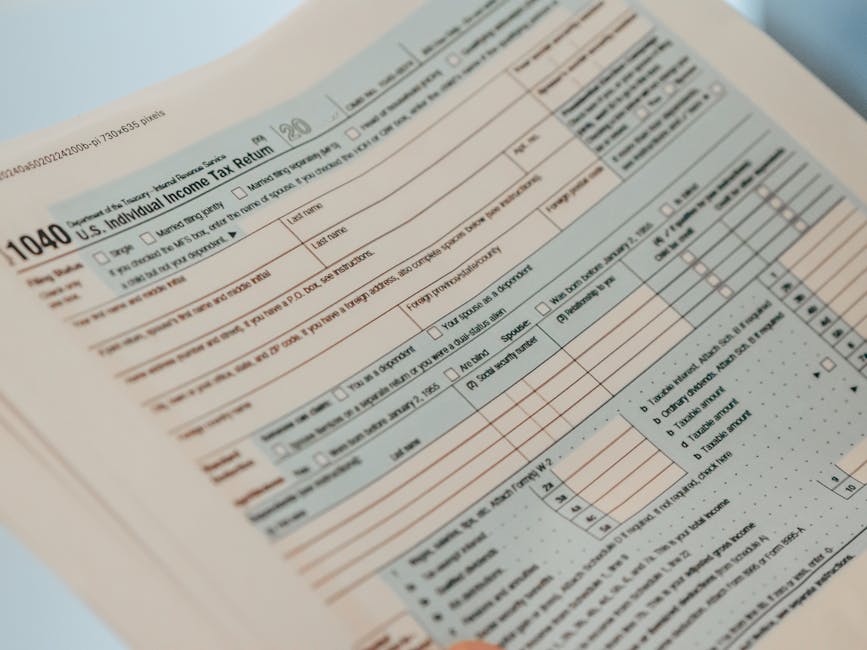
What Is a Tax Audit?
A tax audit is a review of your tax return by the Internal Revenue Service (IRS) or the New York State Department of Taxation and Finance to ensure all information is accurate and complete. For many Endicott, NY residents, the idea of a tax audit brings up questions about what triggers an audit, who gets selected, and what the process actually looks like.
Generally, an audit doesn’t mean you’ve done something wrong. Tax agencies use a combination of random selection, statistical formulas, and information matching to decide whose returns to examine. Sometimes, something as simple as a math error or missing information can prompt a closer look.
Why Might a Resident of Endicott Be Audited?
A local taxpayer can be audited for several reasons, including:
- Inconsistencies between what you report and information reported by employers or banks
- Excessive deductions or credits that stand out statistically
- Random selection as part of spot-checking procedures
For example, area households with complex sources of income, such as rental properties or self-employment, may be more likely to experience a review simply because there are more reporting sections where errors can occur.
What Happens During a Tax Audit?
The audit process usually starts with a letter from the tax authority. This letter will explain which year’s return is being examined and what information is required. In most cases for residents, this is a “correspondence audit,” meaning the review happens by mail and you submit requested documents rather than meeting in person.
A “field audit” involves an in-person visit to your home or business, which is rare for routine households but more common for complex or higher-dollar reviews. In all cases, the letter will specify what documents to send or present.
Auditors usually want to see:
- Copies of W-2s, 1099s, and any other income statements
- Receipts supporting deductions and credits (such as for home office use, childcare, or charitable donations)
- Bank statements and investment summaries
How Much Time Do You Have to Respond?
You’ll typically have 30 days from the date of the audit notice to reply. Responding on time is critical—even if you need an extension, notify the agency by the deadline given in the letter.
Keeping tax records organized throughout the year helps local residents respond efficiently. In a region where many people store documents in basements or home offices, watch out for seasonal risks like basement dampness that could cause paperwork damage.
How Should Area Households Prepare Tax Records?
Being ready for an audit is largely about having clear records. Here’s how many Endicott residents keep their tax files organized:
- File all W-2s, 1099s, and annual bank statements together each year
- Keep receipts for deductible expenses in a marked envelope or folder for the right tax year
- Maintain support for credits such as child care (invoices, payment records, and provider details)
- Store records in a safe, dry place—considering seasonal humidity or potential flooding in local basements
- Retain tax documents for at least three years (the typical audit window), but some recommend up to seven for added security
What Information Is Most Commonly Requested?
Auditors focus on verifying numbers that have federal, state, or third-party documentation. For example:
- If you claim home energy credits, they may ask for receipts from local utility or home improvement suppliers.
- For self-employment income, a log of business expenses and corresponding receipts will be expected.
- If claiming dependents, proof of residency and relationship are sometimes required if there’s a discrepancy in records.
It’s a misconception that audits are random “fishing expeditions”—requests are generally targeted to specific items on your return.
What Are Your Rights During an Audit?
Everyone has the right to:
- Be notified and understand what is being requested and why
- Respond with documentation or explanation
- Appeal decisions or proposed changes if you disagree with findings
You are not required to provide original documents; copies are almost always sufficient. It's also appropriate to ask questions if any audit request is unclear.
Common Mistakes Local Residents Make in Audit Preparation
Some frequent issues that may arise during audit preparation include:
- Sending only the first page of a document when all pages were requested
- Over-sending unnecessary information, which can lead to new questions
- Misplacing key paperwork—particularly if years have passed or if documents were stored in areas prone to damage
In Endicott, where many residents handle taxes themselves, it’s helpful to build a habit of marking tax folders by year and keeping physical and digital copies, particularly of major deduction documents.
What If You Disagree With Audit Results?
If you don’t agree with the findings—perhaps you have documentation that was overlooked or misunderstood—there are several defined steps you can take, outlined in the audit notice. These may include:
- Requesting a meeting or phone review with the auditor to clarify information
- Providing additional documents that support your tax positions
- Filing an appeal within the time limit set out in the notice
Timely, respectful communication with the tax authority often leads to the best outcomes for residents.
How Can Local Conditions Affect Record-Keeping?
In Endicott, homes may experience seasonal conditions such as spring dampness or winter heating that impact how paper records are stored. Using fireproof and waterproof storage boxes, or keeping digital scans as backups, adds an extra layer of security especially valued by area households who have experienced water leaks or heavy snow.
Reliable record-keeping not only makes audits less stressful but also helps track financial patterns over the years.