

 See My Latest Article on HelloNation
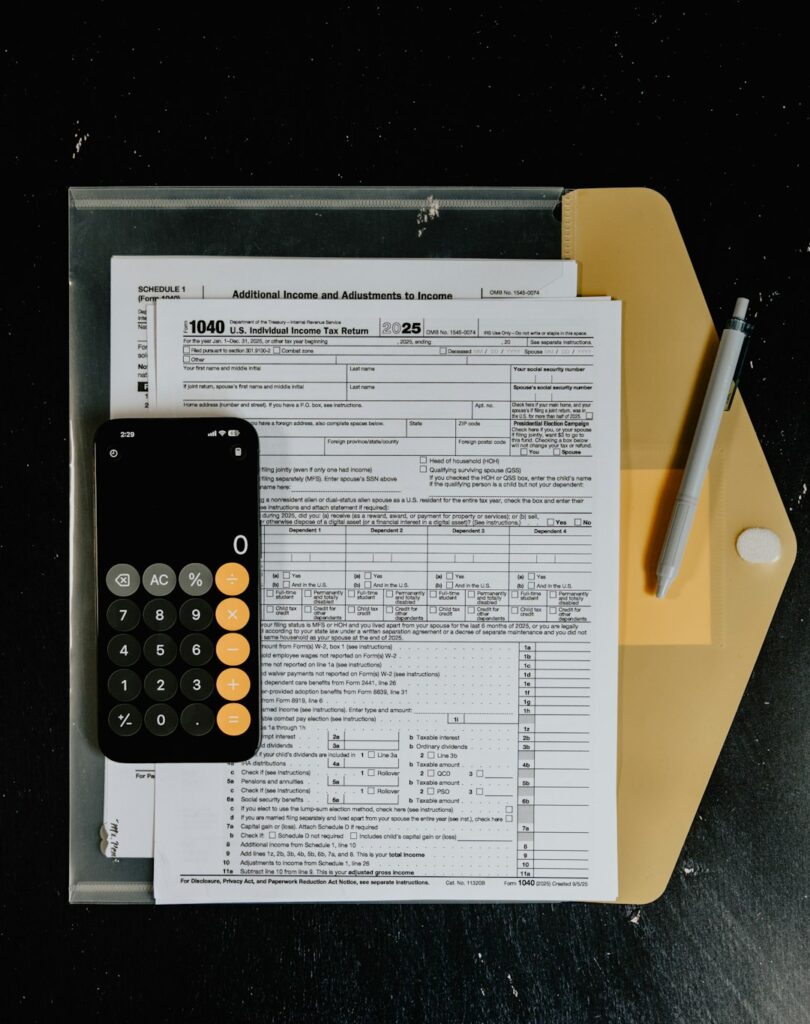
Do I Need to Notify the IRS or State if I Switch Jobs?
No direct notification is needed, but every job change impacts your taxes in ways that require care. If you live and work in Endicott, updating tax forms and keeping thorough records helps prevent problems and ensures your tax filings remain accurate.
When you start a new job, your employer will ask you to complete a fresh IRS W-4 form. This document tells the employer how much federal income tax to withhold from each paycheck. If your household situation or income changes, these forms should be filled out based on your current needs—not just copied from your last job.
The state of New York uses information from your employer to adjust state tax withholding. You don't have to file a change form upon switching jobs, but you do need to provide your new employer with accurate details.
How Does Switching Jobs Mid-Year Affect My W-2s and Tax Return?
You’ll get a W-2 from every job held during the tax year. Each employer must mail or provide this form by January 31 of the following year.
If you held more than one job during the year, combine all W-2 incomes when filing your tax return. If any employer withholds too little tax, or if your combined earnings push you into a higher tax bracket, you may owe money when you file. Over-withholding, on the other hand, can result in a refund.
Area households sometimes forget to track every employer, especially if a short-term position ends before year-end. Be sure to keep records or pay stubs from every period of employment, just in case a W-2 form is late or missing.
Will Changing Jobs in the Community Impact My Tax Bracket?
It can, depending on total annual income. Tax brackets are based on all income earned within the calendar year, no matter how many jobs contributed.
If your new job pays more, your annual earnings might push you into a higher federal or state tax bracket. That could raise your tax bill for the year, especially if withholding hasn’t kept pace with your increased rate.
To receive accurate withholding and avoid a surprise, use the IRS Tax Withholding Estimator or New York’s online tools, factoring in all wages from all jobs.
What Should I Do With My Retirement Accounts When Switching Jobs?
Your options typically include leaving the account where it is, rolling it over to an IRA, or transferring it to your new employer’s plan. How you handle the funds impacts your taxes and future savings.
- Cashing out a retirement account can trigger significant federal and New York state income taxes, plus a penalty if you’re under age 59½.
- Rolling over funds directly between accounts is not taxable and preserves the value for retirement.
Local workers often choose to roll over retirement savings to avoid any immediate tax bill and continue growing their savings.
Do I Need to Update My State or Local Tax Withholding?
Yes, updating your tax withholding is recommended anytime you switch jobs.
In New York, the IT-2104 form allows you to adjust your state withholding. This is especially important if you have more than one job at the same time, your spouse works, or you have side income.
Double-check with your new payroll department that your forms reflect any new home address or changes to your household, such as marriage, dependents, or childcare needs—since these can qualify you for different allowances or credits.
What If I Worked in Multiple States or From Home?
If you live in the city and worked remotely for an employer outside New York, or if you moved for your new job, your situation may be more complex. New York normally taxes residents on all income, regardless of where it’s earned, but special rules may apply if you established residency elsewhere or had nonresident assignments.
Area workers sometimes overlook the need to file nonresident returns in other states, or to allocate income on New York’s forms. Keeping paystubs, dates of work, and addresses accurate helps ensure correct filings.
How Do Job-Based Benefits Impact Local Tax Filings?
Switching jobs often means changes in benefits like health insurance, Health Savings Accounts (HSAs), or Flexible Spending Accounts (FSAs). Contributions to these accounts can affect both your taxable income and your eligibility for certain credits or deductions.
If you had health coverage from two different employers within one year, be sure to track:
- HSA and FSA contribution limits, since they apply collectively for the year, not per job
- Whether you received any reimbursements, as these might require additional forms

Confusion about benefits is common during job changes, so reviewing your pay statements for pre-tax deductions can help.
What Documentation Should I Save When Changing Jobs?
Keeping thorough records reduces stress and errors during tax season. Save:
- Final pay stub from your old job (proves year-to-date earnings)
- All W-2 forms (each employer must issue one)
- Any 1099 forms received for side or contract work
- Benefits statements or COBRA paperwork, if you had employer health insurance
- Notices about rollover of retirement plans or stock options
Area residents sometimes throw away paperwork from a short-term job, but keeping these documents can be helpful if there are questions later.
Are There Local Credits or Deductions to Consider?
The state and federal tax systems both offer credits that could be relevant after a job change:
- The Earned Income Tax Credit (EITC) is based on annual income and number of dependents; changing jobs might, for the first time, make a household eligible, or ineligible, for this credit.
- Unemployment benefits, if claimed during a gap between jobs, count as taxable income for both New York and federal returns.
- Moving expenses are only deductible for active-duty military members under current law, but area workers should keep documentation just in case rules change or for state-specific credits that may arise.
By understanding the local and state rules surrounding these credits, area residents can avoid missing an opportunity for savings.